
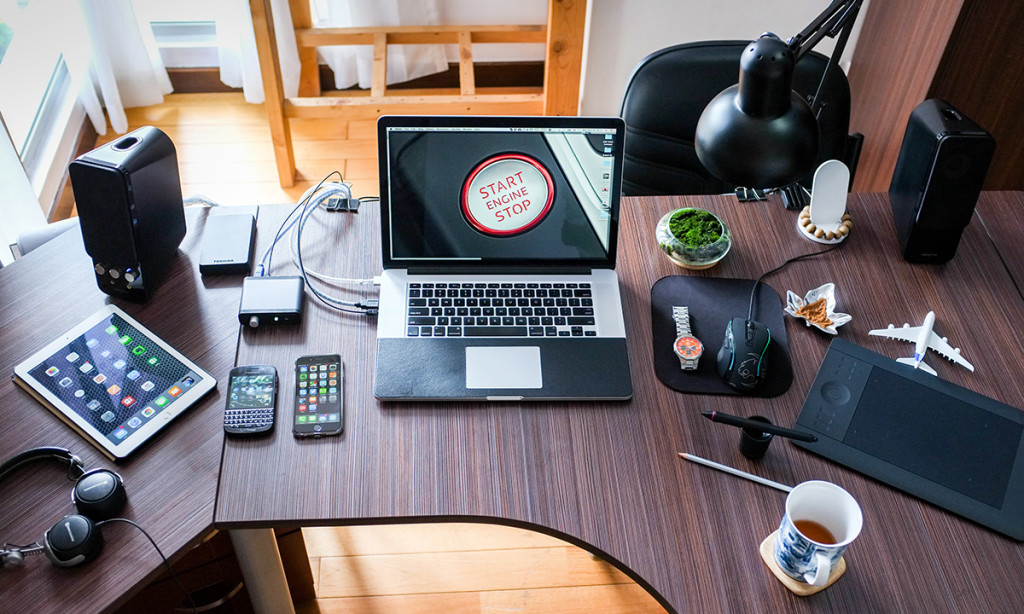
Many of our clients operate their business from home rather than rented commercial premises. The types of expenses relating to their homes that are available as tax deductions is commonly misunderstood.
The below is a summary of what can be claimed as home office expenses for a home-based business
If you are a sole trader and your home is also your place of business you can claim tax deductions for a portion of the costs of owning, maintaining and using your home for this purpose. When you sell your home, you may be liable for capital gains tax.
If you operate a business from your home, you may be able to claim a deduction for some of the expenses relating to the area you use for business purposes.
These expenses can be divided into two broad categories:
- occupancy expenses (such as mortgage interest or rent, council rates, land taxes, house insurance premiums)
- running expenses (such as gas and electricity, phone, decline in value of plant and equipment, decline in value and cost of repairs to furniture and furnishings, cleaning)
As for motor vehicles, if you are carrying on a home-based business you can claim the cost of trips between your home and other places if the travel is for business purposes.
Generally, you can ignore a capital gain or loss you make when you sell your home, unless you have used any part of it for business purposes.
Running costs
If you perform some of your work from a home office, you may be entitled to a deduction for the costs you incur in running it, including:
- for home office equipment, such as computers, printers and telephones, the cost (for items costing up to $300) or decline in value/deprecation (for items costing $300 or more)
- work-related phone calls (including mobiles) and phone rental (a portion reflecting the share of work-related use of the line) if you can show you
- are on call, or
- must phone your employer or clients regularly while you are away from your workplace
- heating, cooling and lighting
- the costs of repairs to your home office furniture and fittings
- cleaning expenses.
Records you must keep
You must keep records of home expenses, such as:
- receipts or other written evidence of your expenses, including receipts for depreciating assets you have purchased
- diary entries you make to record your small expenses ($10 or less) totalling no more than $200, or expenses you cannot get any kind of evidence for, regardless of the amount
- itemised phone accounts from which you can identify work-related calls, or other records, such as diary entries (if you do not get an itemised account from your phone company)
- a diary you have created to work out how much you used your equipment, home office and phone for business purposes over a representative four-week period.
Tools, equipment and other assets
If you buy tools, equipment or other assets to help earn your income, you can claim a deduction for some or all of the cost.
If the tools are used for both work and private purposes you will need to apportion the amount you claim. If you have a computer that is used for private purposes for half of the time you can only deduct 50% of the cost.
The type of deduction you claim depends on the cost of the asset:
- for items that don’t form part of a set and cost $300 or less, or form part of a set that together cost $300 or less, you can claim an immediate deduction for their cost
- for items that cost more than $300, or that form part of a set that together cost more than $300, you can claim a deduction for their decline in value.
Examples of tools, equipment or assets:
- calculators
- computers and software
- desks, chairs and lamps
- filing cabinets and bookshelves
- hand tools or power tools
- protective items, such as hard hats, safety glasses, sunscreens and sunglasses
- professional libraries
- safety equipment
- technical instruments.
You can also claim the cost of repairing and insuring your tools and equipment and any interest on money you borrowed to purchase these items.
If you use items for both personal and work-related purposes you need to keep records, such as a diary, so that, if requested, you can show how you apportioned the amount of private use and work-related use.
